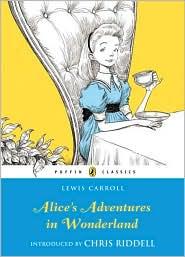
Alice's Adventures in Wonderland
A nonsense adventure down the rabbit hole
StyleAbsurdGenreClassicFiction
Synopsis
When curious Alice follows a hurried White Rabbit down a rabbit hole, she tumbles into Wonderland—a topsy-turvy world of talking animals, puzzling riddles, and unexpected changes in size. As she meets the Cheshire Cat, the Mad Hatter, and the imperious Queen of Hearts, Alice tries to make sense of a place where words and rules rarely behave as expected.
Lewis Carroll’s humor is playful and imaginative, built on nonsense, wordplay, and absurd situations. Much of the comedy comes from the characters’ peculiar logic and Alice’s attempts to respond sensibly, making it a lighthearted read full of curiosity, clever language, and delightfully unexpected twists.
Content Guide
Our editors are finalizing the content guide for this title — check back soon.
About the Author
LC
Lewis Carroll
Lewis Carroll was the pen name of Charles Lutwidge Dodgson (1832–1898), an English writer, mathematician, photographer, and lecturer. He grew up in Cheshire and studied at Christ Church, Oxford, where he later taught mathematics for many years. His academic interests included logic and puzzles—ideas that would also enliven his imaginative writing.
Carroll is best known for
Alice’s Adventures in Wonderland (1865) and its sequel,
Through the Looking-Glass (1871). The first book grew from stories he told Alice Liddell and her sisters during a boating trip. Its curious characters, strange adventures, and playful use of language have made it a classic of children’s literature.
Writing as Lewis Carroll, Dodgson delighted in nonsense, wordplay, riddles, and situations that twist ordinary logic. His poems and stories invite readers to question familiar rules and enjoy the unexpected. More than a century later, his creations remain widely read and have inspired countless stage, film, and artistic adaptations.
See all books →