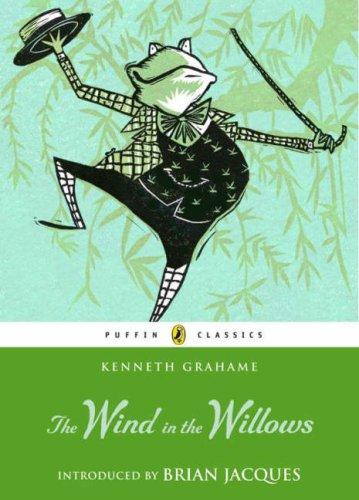
The Wind in the Willows
A cozy riverbank comedy
StyleWarmGenreClassicFiction
Synopsis
In Kenneth Grahame’s The Wind in the Willows, shy Mole leaves his underground home and befriends the easygoing Rat, wise Badger, and irrepressible Toad. Their adventures along the river and through the countryside include picnics, journeys, cozy homecomings, and Toad’s increasingly extravagant schemes.
The humor is gentle and character-driven: Toad’s vanity and impulsiveness lead to comic trouble, while the friends’ banter and contrasting personalities add warmth. The story’s playful animal adventures and enduring themes of friendship, loyalty, and home make it a charming, lighthearted read.
Content Guide
Our editors are finalizing the content guide for this title — check back soon.
About the Author
KG
Kenneth Grahame
Kenneth Grahame (1859–1932) was a Scottish-born English writer best known for
The Wind in the Willows, a classic of children’s literature. Born in Edinburgh, he spent much of his childhood in Berkshire, where the countryside and river landscapes helped inspire the world of his most famous book.
Grahame worked for many years at the Bank of England, eventually becoming its secretary. Alongside his career, he wrote essays and stories, including
The Golden Age and
Dream Days, which portray childhood with warmth, humor, and a touch of nostalgia.
First published in 1908,
The Wind in the Willows grew from bedtime stories Grahame told his son, Alastair. Its memorable characters—Mole, Rat, Badger, and the irrepressible Toad—have delighted generations of readers with their friendship, adventures, and gentle comedy.
See all books →